
Comprehensive IT Infrastructure Management: A Guide for Growing Companies


Understanding IT Infrastructure Management
For growing companies, managing IT infrastructure effectively is crucial to ensure seamless operations and support business expansion. Comprehensive IT infrastructure management involves overseeing and maintaining all essential components such as hardware, software, networks, and data storage. By implementing robust management practices, companies can optimize their resources, enhance productivity, and reduce downtime.
As businesses scale, the complexity of their IT environments increases. This complexity necessitates a structured approach to manage various elements efficiently. With a strategic plan in place, companies can avoid potential pitfalls and ensure that their IT infrastructure supports their growth objectives.
Key Components of IT Infrastructure
IT infrastructure encompasses several core components that need to be managed effectively. These include:
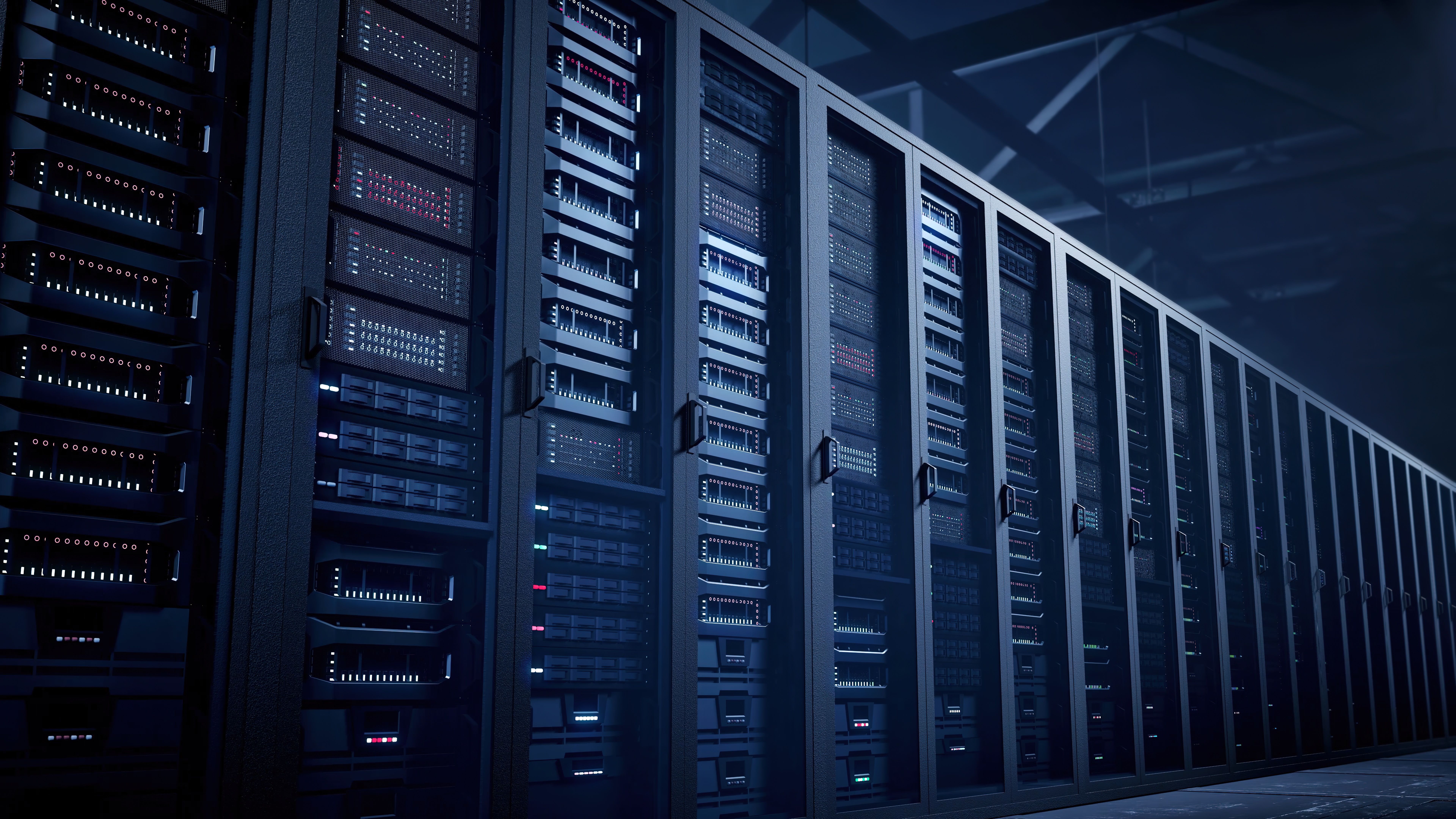
- Hardware: This includes servers, computers, and networking equipment. Regular maintenance and upgrades are essential to ensure optimal performance and longevity.
- Software: Managing software licenses, updates, and security patches is vital to protect against vulnerabilities and ensure compliance.
- Network: A reliable network is crucial for seamless communication and data transfer. Monitoring bandwidth usage and implementing security measures are key responsibilities.
- Data Storage: Efficient data management strategies are needed to handle growing data volumes securely and cost-effectively.
Benefits of Comprehensive Management
Adopting a comprehensive approach to IT infrastructure management brings numerous benefits. Firstly, it helps in minimizing disruptions by proactively addressing potential issues before they escalate. This proactive stance leads to improved reliability and reduced downtime, which is essential for maintaining customer satisfaction.
Moreover, effective management enables better resource allocation. By understanding the specific needs of the business, IT teams can allocate resources more efficiently, avoiding wastage and optimizing costs. Additionally, comprehensive management supports scalability by ensuring that the infrastructure can accommodate future growth.

Implementing Best Practices
To achieve successful IT infrastructure management, companies should implement best practices tailored to their needs. One essential practice is regular monitoring and reporting. Keeping track of performance metrics helps identify areas that require improvement and provides insights into the overall health of the infrastructure.
Another best practice is to establish clear policies and procedures. These guidelines should cover aspects like data backup, disaster recovery plans, and security protocols. Ensuring all employees are aware of these policies promotes a unified approach to IT management.
Leveraging Technology for Efficiency
Technology plays a pivotal role in streamlining IT infrastructure management. Automation tools can significantly reduce manual tasks, allowing IT teams to focus on strategic initiatives. From automating routine maintenance tasks to deploying AI-driven analytics for predictive insights, technology enhances efficiency across the board.
Furthermore, cloud solutions offer flexibility and scalability. By leveraging cloud services, companies can expand their capabilities without the need for significant upfront investments in physical hardware. This adaptability is particularly beneficial for growing businesses looking to remain agile in a competitive market.

The Role of Cybersecurity
Cybersecurity is an integral part of IT infrastructure management. As businesses grow, they become more attractive targets for cyber threats. Implementing robust security measures such as firewalls, encryption, and multi-factor authentication is imperative to safeguard sensitive data.
Regular security audits and vulnerability assessments help identify potential weaknesses and ensure compliance with industry standards. Staying informed about the latest cybersecurity trends and threats enables companies to adapt their strategies accordingly.
Conclusion: Building a Resilient IT Infrastructure
In conclusion, comprehensive IT infrastructure management is essential for growing companies aiming to maintain efficiency and support expansion. By understanding the key components, implementing best practices, leveraging technology, and prioritizing cybersecurity, businesses can build a resilient IT infrastructure that aligns with their long-term goals.
Investing time and resources into effective IT management not only enhances operational efficiency but also positions companies for sustainable growth in an increasingly digital world.